
How Many Solar Panels Do I Need?

Panel numbers, savings and suitability vary by property, roof conditions, electricity use and system design. A property-specific assessment can help before choosing a system.
The number of solar panels you need depends on your electricity use, roof space, panel output, shading and whether you want to add battery storage. Many homes may suit a system with somewhere between six and 12 panels, but that should only be treated as a broad starting point, not a final answer.
The more practical way to look at it is this: how many panels will give your home a sensible, usable system?
When we assess a home for solar, we usually look at how electricity is used, how much suitable roof space is available, what the roof conditions are like, and whether plans, such as battery storage or an electric vehicle, could change the right system size.
Start with your electricity use
Your electricity use is usually the first clue.
A household that uses more electricity may need a larger solar array, provided the roof, budget and usage pattern support it. Your annual usage is normally shown on your electricity bill in kilowatt hours, or kWh. This figure helps estimate the size of a system that may suit your home.
Annual usage does not tell the whole story, though. Two homes can use the same amount of electricity across a year but use it at very different times of day. That matters because solar panels produce electricity during daylight hours.
If more of your electricity use happens during the day, you may be able to use more solar generation directly. If most of your demand happens in the evening, battery storage may become more relevant.
Understand the difference between panel count and system size
Panel count is easy to picture, but system size is usually the more useful measure.
Solar systems are commonly described in kilowatt peak, or kWp. This shows the maximum output of the system under standard test conditions. As a broad reference point, the Energy Saving Trust’s solar panel guidance says an average 3.5kWp system typically uses between six and 12 panels and covers around 10 to 20 square metres of roof space.
That does not mean every home needs a 3.5kWp system. It simply gives a useful reference point.
Panel output also matters. Higher-wattage panels can produce more power per panel than lower-wattage panels. So one home may need 10 panels to reach a target system size, while another may need fewer or more, depending on the panel specification.
Check how much usable roof space you have
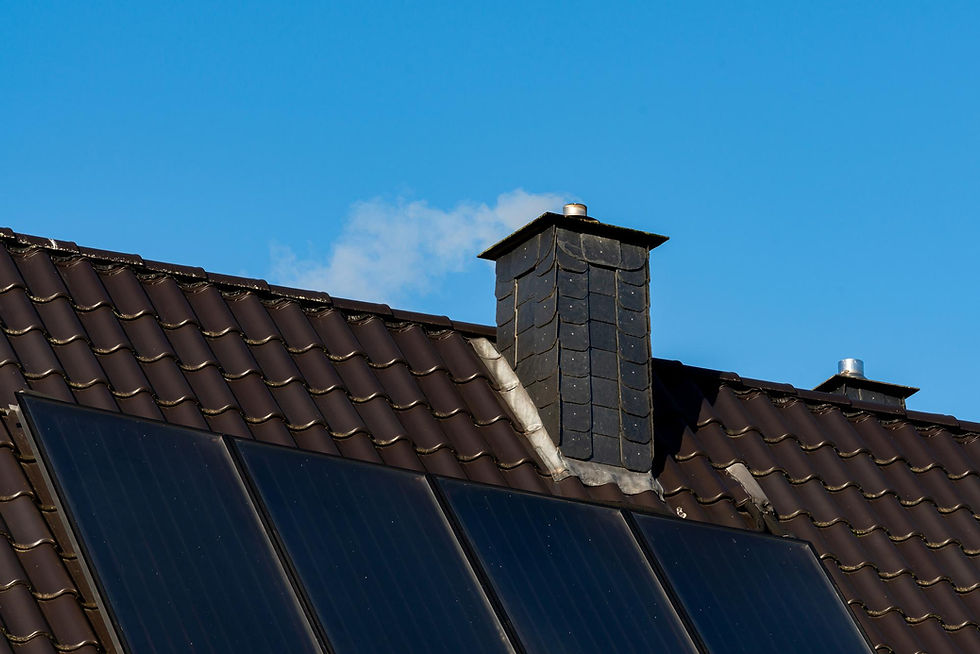
Roof space often sets the practical limit.
A simple, clear roof plane can usually accommodate panels more easily than a roof broken up by chimneys, dormers, vents, roof windows or awkward angles. The condition of the roof also matters. If roof work is likely soon, it is usually worth checking that before installing panels rather than discovering the issue later. Traditional advice, admittedly, but roofs have a habit of punishing shortcuts.
Usable roof space is not just about raw area. A useful design normally considers:
roof size and shape
roof pitch and orientation
shading from trees or neighbouring buildings
chimneys, vents and skylights
safe access for installation and maintenance
where cable routes and equipment could go
A smaller, well-positioned system can sometimes make more sense than squeezing extra panels into a compromised layout.
Think about orientation and shading
Orientation and shading can change how many panels make sense.
A roof with strong sun exposure may produce more useful electricity from fewer panels than a shaded roof. Energy Saving Trust notes that an unshaded south-facing roof is ideal for maximum performance, while east and west-facing roofs can still work, usually with reduced output compared with directly south-facing systems.
Shading needs particular attention. Even partial shade from a chimney, tree or nearby building can affect output, depending on the system design. In some cases, panel optimisers or microinverters may help manage shading issues, but they should be recommended for a specific reason, not added as a default extra.
A rough guide to solar panel numbers
This table is only a starting point. A full design should be based on your actual usage, roof layout and system goals.
Home situation | Possible panel range | What to think about |
Lower electricity use | 4 to 8 panels | May suit smaller homes or modest daytime demand |
Typical household use | 6 to 12 panels | Often used as a broad reference range |
Higher electricity use | 10 to 16+ panels | May suit higher demand, suitable roof space or future electrification |
Solar with battery storage | Varies | Panel count should be matched to storage size and usage |
Limited roof space | As many as sensibly fit | Panel efficiency and layout become more important |
The important word here is “possible”. The right number is the one that fits the roof and the household energy pattern, not the neatest number in a table.
Do you need enough panels to cover all your electricity?
Not necessarily.
Trying to cover 100% of annual electricity use can sound appealing, but it is not always the most sensible target. Solar generation changes through the year. A system may produce more than you need during bright periods and less during darker months.
For many homes, the better aim is to reduce grid reliance meaningfully while making good use of the electricity produced. This is where self-consumption matters. The more solar power you use directly at home, the more practical value the system may provide.
Surplus electricity can sometimes be exported. The Smart Export Guarantee allows eligible small-scale generators to receive payment from electricity suppliers for electricity exported to the grid, provided the relevant criteria are met.
That is helpful, but it should not be treated as a reason to oversize without care. Export rates and supplier terms vary.
How battery storage changes the panel calculation
Battery storage can change the right panel number because it changes what happens to spare daytime generation.
Without a battery, the electricity you do not use during the day may be exported. With a battery, some surplus can be stored for later use, especially in the evening. That may make a larger solar array more practical for some homes, but only if the battery, inverter and household demand are properly matched.
Too few panels may leave the battery underused. Too many panels may create more surplus than the home can sensibly use or store. The best result usually comes from matching the panels, inverter and battery to how the home actually uses electricity.
If you want to move beyond a rough estimate, an online solar panel consultation can help us review your roof, electricity use and system goals before suggesting a suitable option.
Future energy plans can change the answer

The number of panels you need today may not be the number you would choose if your energy use is likely to change.
It is worth thinking ahead if you may add:
an electric vehicle
battery storage
a heat pump
more home working
electric cooking
an extension
higher daytime appliance use
This does not mean every home should oversize “just in case”. Future energy demand is worth discussing before the design is finalised.
A careful installer will usually help you separate realistic future needs from guesswork. There is a difference between planning and building a system around maybes.
What a useful solar assessment should include
A useful solar assessment should not start and finish with a panel count.
It normally considers:
Current electricity use Your annual consumption and typical usage pattern.
Roof suitability Available space, pitch, orientation, shading and condition.
Panel and inverter specification The output and compatibility of the main system components.
Battery or export plans Whether surplus electricity is more likely to be stored, exported or used directly.
Future energy use Any likely changes that could affect demand.
Monitoring and aftercare How system performance will be tracked after installation.
The MCS consumer guide to solar PV is a useful reference when checking solar PV products, installer certification and recognised installation standards.
It can also help to see real examples before comparing quotes. Our residential solar installation portfolio shows examples of completed home solar projects and the different roof layouts involved.
The key takeaway
There is no single panel number that suits every home.
Some homes may only need a modest array. Others may need a larger system because of higher electricity use, future demand, battery storage or available roof space. The right answer depends on the property and how the household uses electricity.
As a broad reference point, an average 3.5kWp system may use between six and 12 panels, but your home may need fewer or more. The safer approach is to start with your electricity use, check the roof properly, consider storage or export options, and then design the system around real conditions.


Comments